AI · September 24, 2026
Huawei outlines ten strategic lines for agentic AI and predicts massive token consumption growth
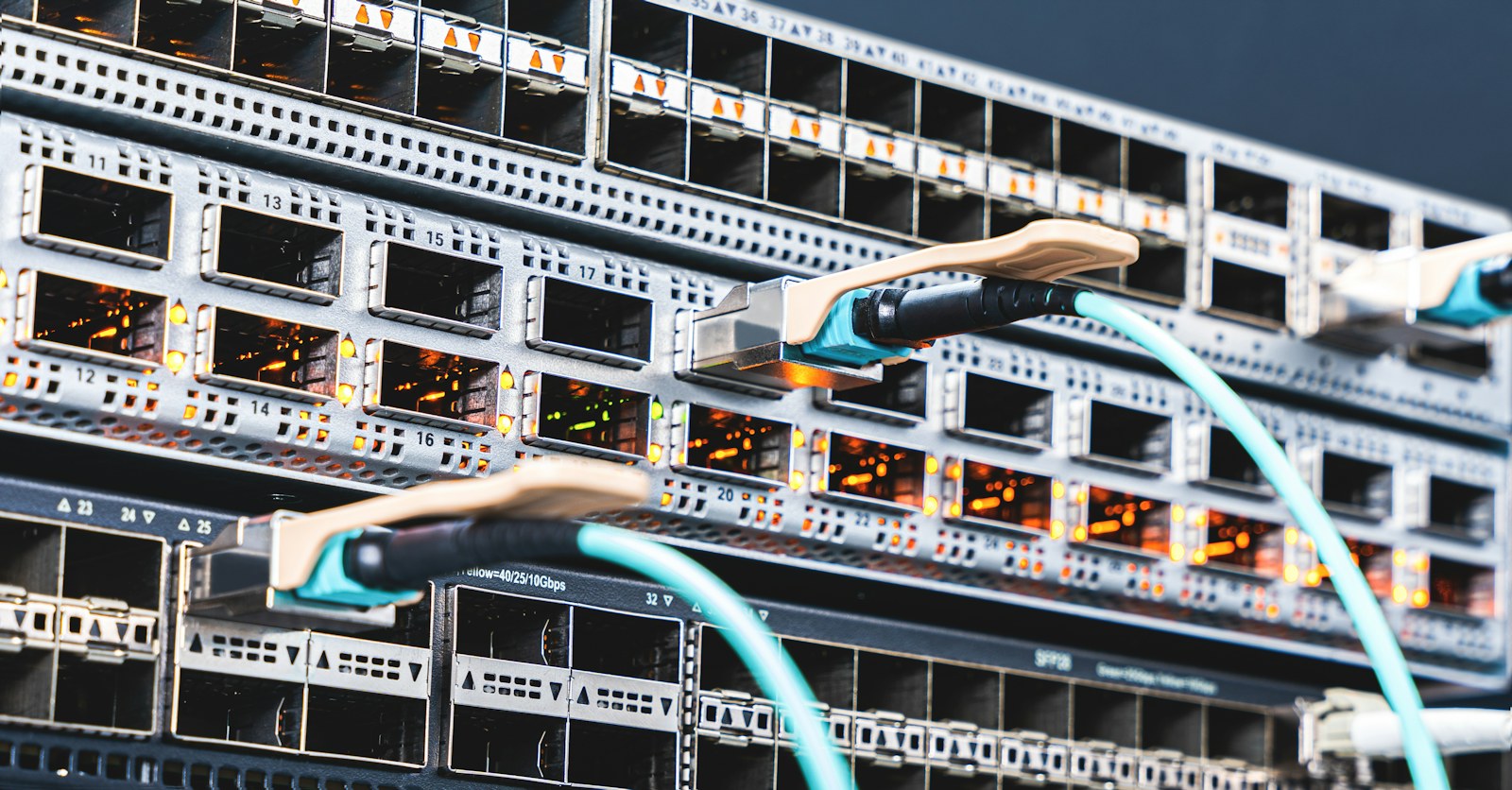
Huawei has released two new research reports that analyze the evolution toward an intelligent world and the challenges posed by the expansion of agentic artificial intelligence. The company presented these documents at an online event themed around acting today to shape tomorrow, sharing its vision on technological evolution and the role of AI in transforming industry and society.
The report titled “Intelligent World 2035: Turning Vision into Action” introduces ten key lines of action for building an intelligent world. It systematically addresses the main challenges of the agentic AI era and provides the sector with a practical roadmap. The document explains that as AI expands from the digital world into the physical world, it is ceasing to be an isolated tool and is progressively integrating into fundamental operational and social processes. This evolution is transforming industrial logic and accelerating transformation across all sectors.
David Wang, vice chairman of the board and rotating president of Huawei, states that agentic AI is a key variable in this transformation. He notes that for AI to redefine operational paradigms, competitive foundations, and industrial dynamics, it is necessary to address a series of fundamental challenges. The report analyzes the changes driven by the current AI revolution and offers practical recommendations for advancing toward an agent-centric world based on intelligent infrastructure.
The transition to an agent-centric world involves moving from an application-centric digital world to one where agents can continuously perceive their environment, reason, and make autonomous decisions. These agents can use tools dynamically and interact with humans in real time. Each of these capabilities implies a massive generation of tokens and high-frequency token flow. Huawei predicts that by 2035, annual global token consumption will multiply by 100,000, and traffic generated by agents will represent more than 90 percent. This evolution will demand computing, network, and cloud infrastructure far exceeding that required by traditional internet applications.
To respond to these challenges, Huawei identifies ten priority lines of action. These require developing an end-to-end intelligent infrastructure centered on tokens, covering their generation, distribution, consumption, and security. This approach includes creating SuperPoDs and open ecosystems to improve token production efficiency, developing intelligent connectivity infrastructure to guarantee continuous flows, and deploying native cloud platforms for agentic AI to accelerate adoption in various sectors.
The report concludes with five initiatives to advance toward this goal: adopting a long-term vision, maintaining a people-centric approach, promoting technology for the common good, encouraging openness and collaboration, and adopting a systemic perspective to translate technological innovation into industrial progress.
During the event, Huawei also presented the “Global Digitalization and Intelligence Index (GDII) 2026,” developed with the Institute of Economics at Tsinghua University. This index aims to offer countries development pathways toward an intelligent economy. The report predicts that artificial intelligence will generate more than 27 trillion US dollars in cumulative economic value over the next five years. It also estimates that global investment in digital and intelligent infrastructure will grow at a compound annual rate of 19.14 percent, surpassing 4 trillion US dollars in 2030.
The study analyzes the digital and intelligent evolution of 90 countries and examines the fundamental factors of production in the digital and intelligent world, including data, ICT talent, and digital and intelligent technologies. It classifies country development into three stages: Constructor, Adopter, and Pioneer, providing references for policymakers to identify priority areas and define development trajectories adapted to their circumstances. The GDII 2026 highlights that the integration of networks, computing, and storage is an essential base for driving industrial modernization. It emphasizes that there is no single model for advancing toward the intelligent era, and each country must define its own path based on its capabilities and objectives.