Data · September 15, 2026
Five Foundation Models for Autonomous Forecasting in 2026
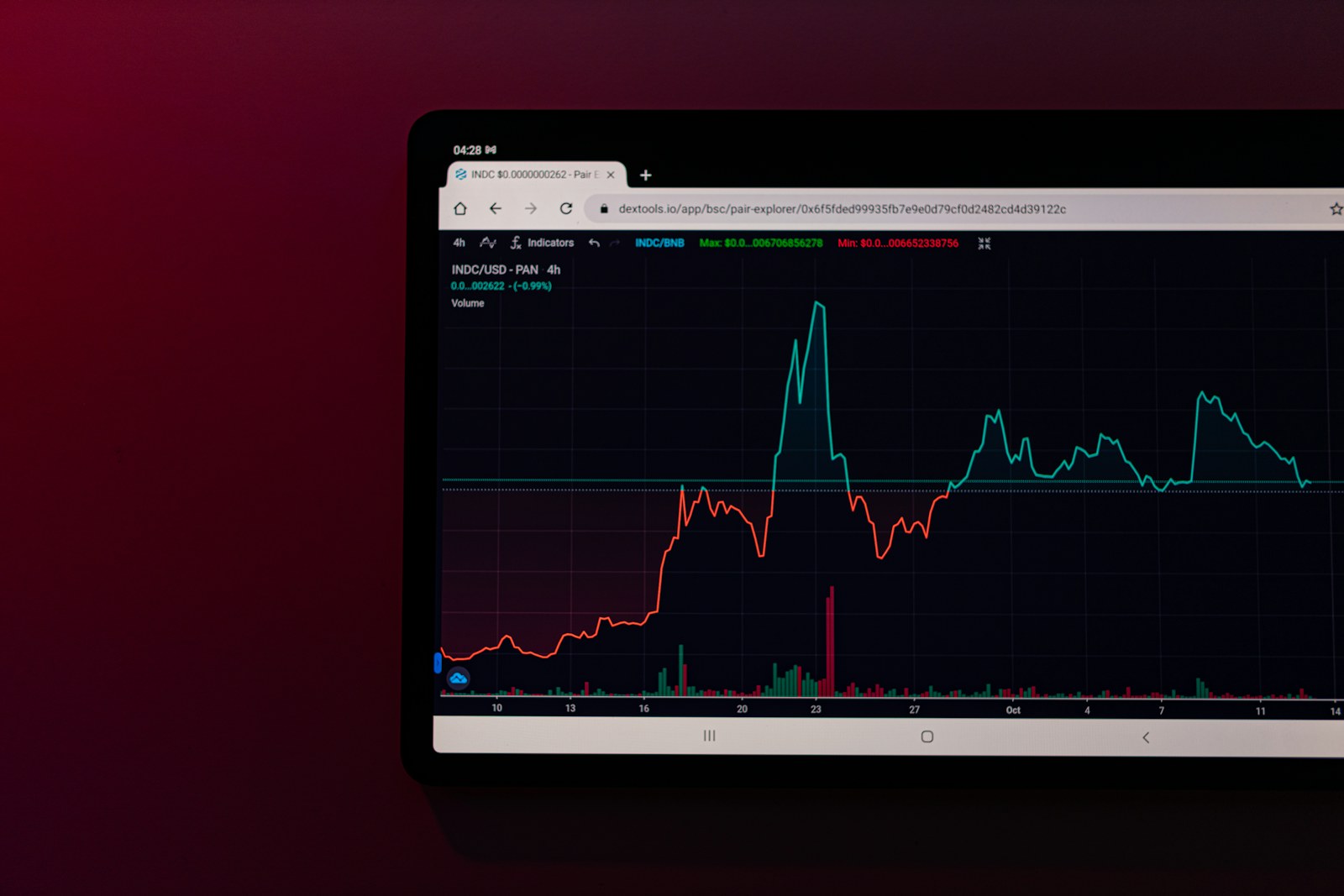
A new toolkit highlights five foundation models designed for autonomous forecasting, expected to revolutionize how teams approach time series analysis in 2026. These pretrained models utilize vast amounts of data to forecast patterns with reduced training time, contrasting with traditional custom models that require extensive configuration for each dataset.
The first model, Amazon Chronos-2, stands out as a mature option, utilizing a transformer architecture to treat forecasting as a language modeling task. It supports a variety of forecasting needs and boasts state-of-the-art performance, processing over 300 forecasts per second on a single GPU. The model is well-documented and integrated with AWS tools.
Salesforce MOIRAI-2 addresses the complexities of real-world data, adapting to different frequencies and variable counts with its universal architecture. It ranks highly on evaluation leaderboards and has been trained on a large dataset, providing strong generalization capabilities for diverse forecasting scenarios. Its open-source development is actively maintained, enhancing its applicability in complex environments.
Lag-Llama introduces probabilistic forecasting through its open-source framework, generating complete probability distributions for predictions. This model emphasizes transparency and reproducibility, making it suitable for teams requiring detailed uncertainty assessments. Its ability to operate on various hardware platforms adds to its accessibility.
Time-LLM offers a unique method by transforming existing large language models into forecasting systems, allowing teams to leverage their current infrastructure without additional deployment burdens. This innovative approach integrates domain knowledge into forecasting tasks, enhancing the utility of pre-existing models.
Lastly, Google TimesFM is positioned as a standard from a major technology company, anticipated to influence future forecasting practices significantly.