Developers · September 13, 2026
Creating a Qwen-Powered Lightweight Personal Assistant
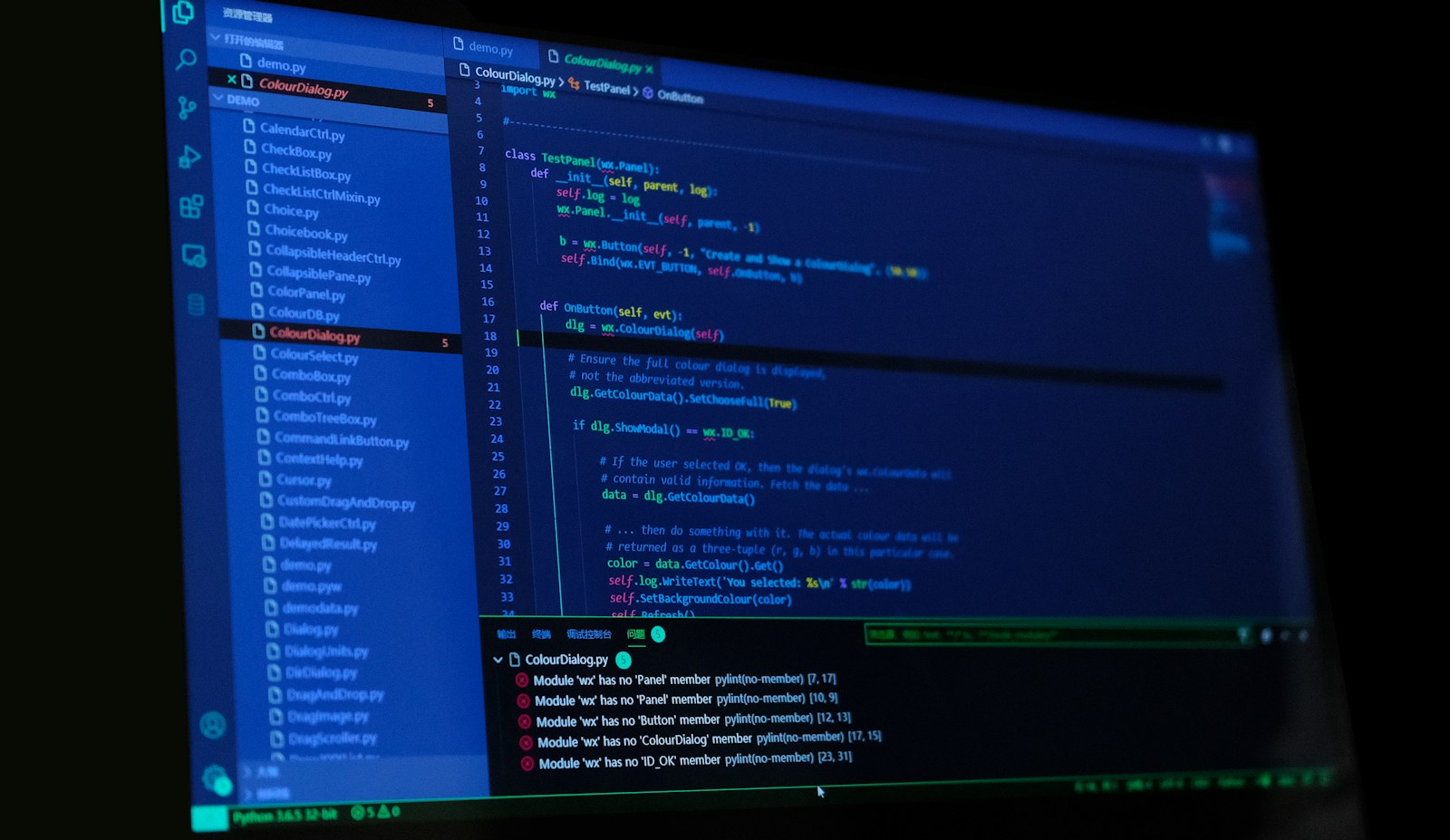
A new lightweight personal assistant application powered by a Qwen language model has been introduced. This assistant utilizes the Qwen1.5-7B-Chat model, which features seven billion parameters optimized for conversational tasks. The article outlines the steps to set up and run the application using Python, emphasizing the model's efficiency and lightweight nature.
To begin, users must install several dependencies and libraries to ensure compatibility. The article provides guidance on verifying installation versions, which is essential for smooth operation. Additionally, users are advised to set up GPU usage if available, facilitating faster model inference during execution.
Once the initial setup is complete, the model must be loaded and configured. The article stresses the importance of crafting a default prompt to guide the model's behavior. An example system prompt encourages helpfulness and safety while engaging users. The assistant is designed to provide coherent responses and explain any nonsensical questions.
Key functionalities include managing chat history and allowing for multiple sequential requests. Users can interact with the assistant through a simple user interface that displays the conversation and includes input fields and buttons for requests. Alternatively, a command line interface (CLI) option is also available for users.
The article showcases a quick test interaction with the assistant, highlighting various types of assistance it can provide, such as general knowledge, problem-solving, and personal development tips. With a generation time of 18.04 seconds, the assistant is designed to respond efficiently to user inquiries.
In conclusion, the article demonstrates how to create an effective conversational assistant powered by a Qwen language model, specifically designed for efficient use in environments such as Google Colab.