Developers · September 14, 2026
7 NumPy Tricks to Vectorize Your Code
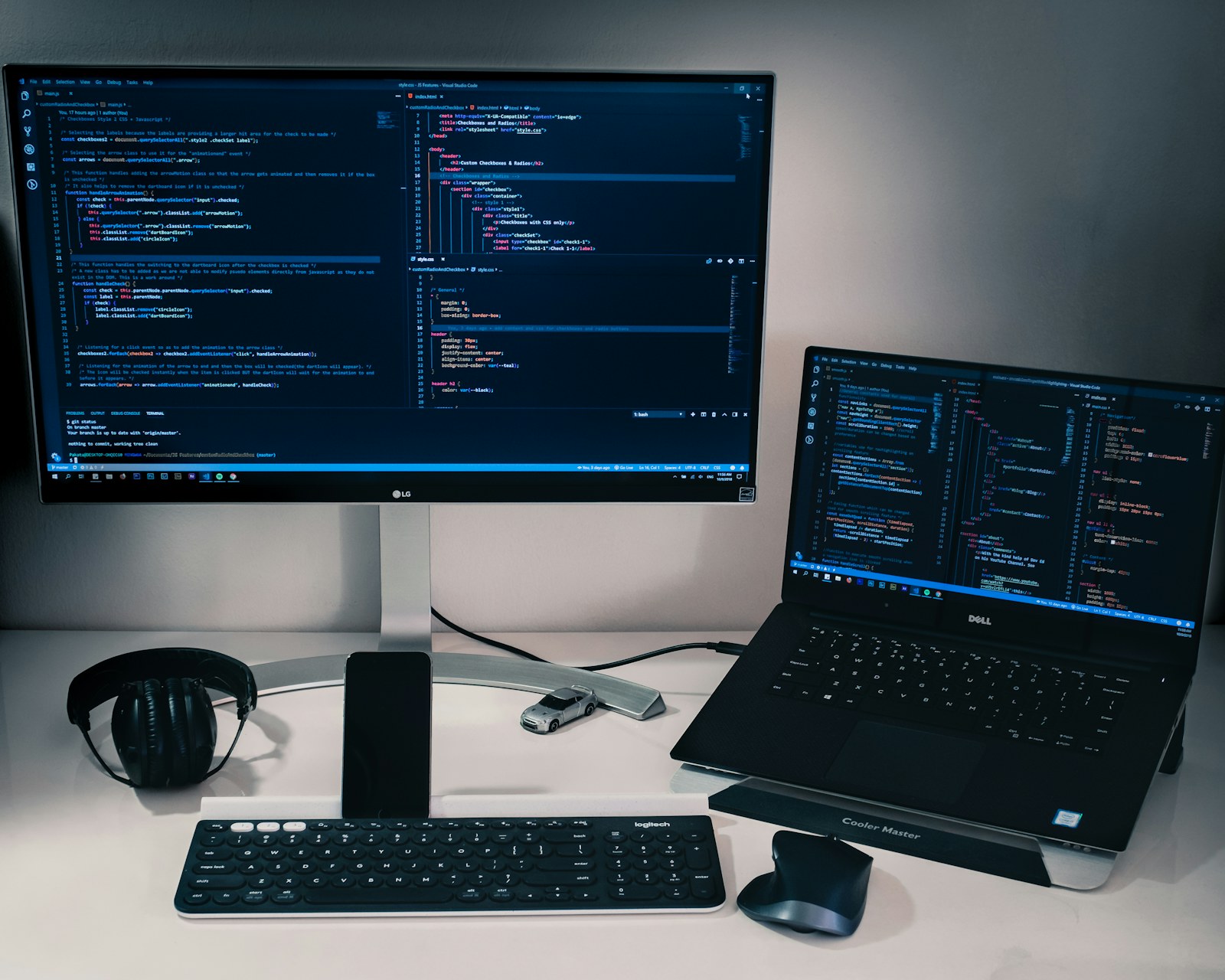
Developers have discovered seven techniques to enhance code performance using NumPy, a library for numerical computing in Python. These techniques focus on vectorizing operations to eliminate slow loops and improve execution speed.
The first technique involves Boolean indexing, where developers can filter or modify array elements based on conditions without looping through each element. Instead of checking each value, a boolean array is created to select the relevant elements directly.
Another technique is broadcasting, which allows for the combination of arrays of different shapes without explicit iteration. This method automatically adjusts dimensions to enable operations across the arrays, enhancing efficiency.
The use of the function np.where() is also recommended for vectorized conditional operations. This function enables developers to return elements based on conditions without the need for branching logic inside loops.
For lookup operations, improved indexing techniques are highlighted. By indexing an array with another array of integers, developers can efficiently gather elements from multiple positions without nested searches.
The technique np.vectorize() is suggested for applying custom functions to arrays. Although it simplifies the code, it does not inherently speed up execution since it still involves looping under the hood.
Complex array operations can be efficiently handled using np.einsum(), which employs Einstein summation notation to perform various matrix operations more clearly and concisely.
Finally, the use of np.apply_along_axis() allows developers to apply functions to rows or columns of arrays, further streamlining operations and improving clarity in code. Each of these techniques encourages a shift in mindset from focusing on iteration to describing desired transformations on data.
These vectorization techniques collectively lead to code that not only runs faster but is also more readable than traditional loop-based approaches, fostering better programming practices among developers.